Reform Physiotherapy and Pilates
  • Home
  • About
    • About Us
    • Our Team
    • Careers
  • Physiotherapy
  • Womens Health
    • Womens Health Services
    • Mummy MOT (Postnatal Physio Assessment)
  • Reformer Pilates
    • Pilates
    • Pilates Classes
    • Pilates Teacher Training Courses
  • Strength & Testing
    • Strength & Conditioning
    • Medical Fitness Testing
  • Fees
  • Contact Us
  • Appointments
  • Home
  • About
    • About Us
    • Our Team
    • Careers
  • Physiotherapy
  • Womens Health
    • Womens Health Services
    • Mummy MOT (Postnatal Physio Assessment)
  • Reformer Pilates
    • Pilates
    • Pilates Classes
    • Pilates Teacher Training Courses
  • Strength & Testing
    • Strength & Conditioning
    • Medical Fitness Testing
  • Fees
  • Contact Us
  • Appointments
Make A BOOKING
Make A BOOKING
Anne2018-01-15T19:39:14+00:00

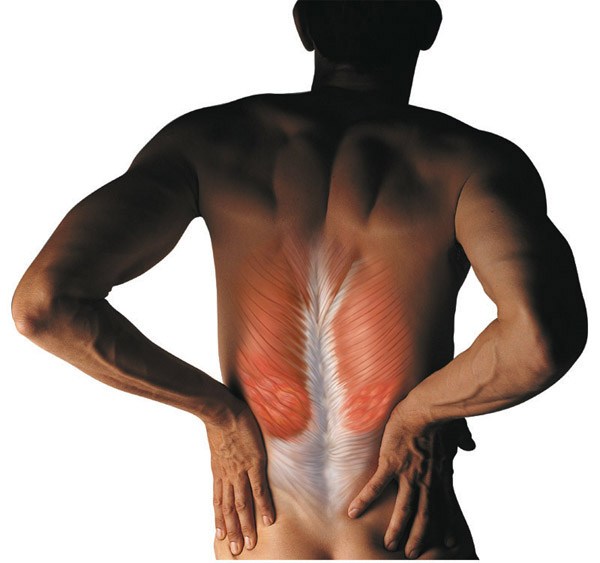
If anyone has ever had a muscle go into spasm, they will know how painful it can be! Although muscles spasms can be common, many people do not know why they have the spasm or what to do when it happens.
14913a


Muscles can go into spasms and cramp for several different reasons- fatigue, dehydration, over loading the muscle, stress or even fear of a movement/activity can cause your muscle to spasm painfully. You can get a spasm anywhere in your body-in your back, neck, legs, arms or feet! I have seen many patients over the years that find it hard to believe that their pain is due to a muscle spasm and feel they must have ‘damaged something’ or ‘broken something’ due to the severity of the pain. It is important to understand, that muscular pain can be very severe, take your breath away on occasion and even refer pain into other areas of your body!


So how do you treat a muscle spasm? Follow these steps:


  • DO NOT PANIC! Panicking and stressing about the source of pain will cause you to subconsciously tense up more which will increase the muscle spasm.
  • Breath and focus on relaxing the muscle. Doing slow deep breathing can help stop the muscle tensing. Consciously try to relax the muscle whilst doing your deep breathing.
  • Use heat- a hot water bottle or a heat pack or even a hot shower can have an immediate effect of reducing the muscle spasm. Use for 10mins at a time. You can also get heat patches to wear during the day if you find them beneficial.
  • Keep moving! It is important not to take to one position and stay there. Moving as normally as possible will help your muscle normalise and stop it cramping. Resting for a prolonged period may feel good at the time but will be lead to a slower recovery.
  • Seek advise from your Physiotherapist if your pain is not reducing after doing all the above for a few days.


If you would like more information or want to book an appointment, call 0863582911 🙂


Related Posts

Age is just a number….

Pretty impressive....Syvester Stallone at age 70 showing off his core strength with some high level Reformer Pilates! Age is just... read more

BRAND NEW: introducing our new stability chair!!

I am delighted to introduce all our clients to the brand new 'Stability Chair'!! This is yet another piece of... read more

All about work-related upper limb pain (or repetitive strain injury)

Repetitive strain injury (RSI) can be an unpleasant side affect of carrying out repetitive activities at work. This includes being... read more

National Training Clinic with Showjumping Ireland

I was delighted to be asked back this year to the National Training Clinic for young riders with Showjumping Ireland.... read more

Get running!

Running is great...its free, you can it do it anytime, anywhere, and it has numerous health benefits! Anyone can run,... read more

How to counteract the negative effects of sitting

We keep hearing 'sitting is the new smoking', and World Health Organisation recommends limiting the amount of time we spend... read more

Osgood shlatters…what is it?

Every month we get a few children and teenagers coming in with knee pain. Through a detailed examination, a Chartered... read more

Reformer Pilates

    Reform Physiotherapy and Pilates are delighted to announce that we now offer Reformer Pilates! Reformer Pilates is a form of pilates... read more

5 simple tips to help manage back pain

Sudden change to our lives including how we exercise, our stress levels and general routine, can often lead to the... read more

Pilates for athletes!

There are a growing number of athletes that are speaking out about their love of pilates. Brian O' Driscoll, Katy... read more

Recent Posts

  • Pilates Teacher Training Courses October 20, 2023
  • Exercise and Pregnancy April 20, 2020
  • 5 simple tips to help manage back pain April 14, 2020
  • 5 tips on how to start running (video) April 8, 2020
  • Exercise and pregnancy – the current research August 9, 2018

Recent Comments

    Categories

    • Uncategorized (54)
    • Manor House, 3 Church Rd, Malahide, Co Dublin, K36 E284
    • info@reformphysiotherapy.ie
    • 086 358 2911

    About Us

    • ADDRESS
      • Suite 6, Manor House
      • 3 Church Road
      • Malahide
      • Co.Dublin
      • K36 E284

    Our Services

    • Physiotherapy
    • Reformer Pilates
    • Womens Health
    • Chronic Pain
    • Vestibular Physio
    • Musculoskeletal
    • Back Pain
    • Post Surgery Rehabilitation

    Opening Hours

    • Mon : 7:00 am to 9:15 pm
    • Tues : 7:00 am to 9:15 pm
    • Weds :7:00 am to 9:15 pm
    • Thurs : 7:00 am to 9:15 pm
    • Fri :  8:00 am to 5:30 pm
    • Saturday: 8:00 am to 1:00 pm
    • Sunday: Closed

    Reform Physiotherapy© 2024. All Rights Reserved.