Reform Physiotherapy and Pilates
  • Home
  • About
    • About Us
    • Our Team
    • Careers
  • Physiotherapy
  • Womens Health
    • Womens Health Services
    • Mummy MOT (Postnatal Physio Assessment)
  • Reformer Pilates
    • Pilates
    • Pilates Classes
    • Pilates Teacher Training Courses
      • Pilates Teacher Training Courses
      • Reformer Pilates Jumpboard Course
  • Strength & Testing
    • Strength & Conditioning
    • Medical Fitness Testing
  • Fees
  • Contact Us
  • Appointments
  • Home
  • About
    • About Us
    • Our Team
    • Careers
  • Physiotherapy
  • Womens Health
    • Womens Health Services
    • Mummy MOT (Postnatal Physio Assessment)
  • Reformer Pilates
    • Pilates
    • Pilates Classes
    • Pilates Teacher Training Courses
      • Pilates Teacher Training Courses
      • Reformer Pilates Jumpboard Course
  • Strength & Testing
    • Strength & Conditioning
    • Medical Fitness Testing
  • Fees
  • Contact Us
  • Appointments
Make A BOOKING
Make A BOOKING
Anne2018-06-05T11:09:44+00:00

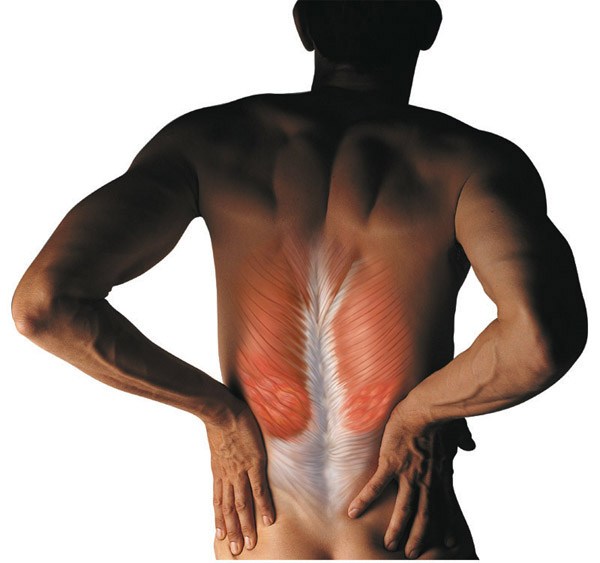
We used to think pain was a measure of tissue damage, but thanks to a lot of research in this area over the past decade we now know that is not true. Pain scientists are  agreed that pain is an unpleasant feeling in our body that makes us want to stop and change our behaviour. Pain is a complex and highly sophisticated protective mechanism.


What is really interesting about pain is the context in which we feel it! Pain depends upon the brain evaluating a massive amount of information, including perception of danger, but also cognitive data (for example expectations, previous exposure, cultural and social norms, beliefs. Therefore, the context is critical, and other sensory data input (for example that from vision).
 

14913a

We now know that pain can be turned on, or up, by anything at all that provides the brain with credible evidence that the body is in danger and needs protecting such as fear or visual feedback that is scary (such as blood). So, if the brain’s evaluation of all available information leads it to conclude that things are truly dangerous, then sensitivity of spinal nociceptors increases (i.e. you feel more pain). If the brain concludes things are not truly dangerous, then sensitivity of spinal nociceptors decreases (you feel less pain).


In chronic pain, all the above applies but with one very significant caveat: the hardware (the biological structures involved in conveying and processing danger messages and in integrating other threatening cues) increases its sensitivity. This is one significant reason that recovery from persistent pain is seldom a quick fix, but requires a journey of patience, persistence and good coaching. Our efforts focus on decreasing sensitivity in the system and training it, gradually over time, to be less protective.


In Reform Physiotherapy we see people with chronic pain every day. We have had great results with educating people that pain does not always mean tissue damage. Therefore, pain does not correlate with damage/danger to the body. Once this is accepted, and fear of pain is reduced, we can start focusing on functional goals and over time the pain is reduced or well managed.

Please call 0863582911 if you would like to book an appointment. Anne 🙂


Related Posts

How Clinical Pilates can help you….

A lot of my clients ask me what the difference is between a typical pilates class and Clinical Pilates. The... read more

Pilates for athletes!

There are a growing number of athletes that are speaking out about their love of pilates. Brian O' Driscoll, Katy... read more

Stiff hips? Try these 5 simple exercises at home…

A common complaint we see regularly is people feeling their hips are 'tight' or 'stiff'. Often people can get cramps/stiffness... read more

Exercise and Osteoporosis

What is Osteoporosis? Osteoporosis is a disease that affects the strength of the bones. In an individual with OP the skeletal... read more

Muscle spasms-what to do when they happen?!

If anyone has ever had a muscle go into spasm, they will know how painful it can be! Although muscles... read more

Abdominal Separation and Pilates

Abdominal separation (rectus diastasis) is a common condition which can occur  in pregnant or post-partum women. The six pack muscle... read more

Pilates Teacher Training Courses

PILATES TEACHER TRAINING COURSES

This Reformer Clinical Pilates Teacher Training course aims to provide the knowledge required to teach prescriptive exercise... read more

Spiky ball-How to give yourself a deep tissue massage!

The Spkiy ball is one of my favourite little pieces of equipment! It is such a great way to release... read more

Get Foam Rolling!!

I absolutely love the foam roller! It is such a great way to stretch out, relieve tension in muscles and... read more

How to exercise safely when pregnant

It is important to remain active throughout your pregnancy, but a lot of women are unsure how to do this... read more

Recent Posts

  • Reformer Pilates Jumpboard Course April 13, 2026
  • Pilates Teacher Training Courses October 20, 2023
  • Exercise and Pregnancy April 20, 2020
  • 5 simple tips to help manage back pain April 14, 2020
  • 5 tips on how to start running (video) April 8, 2020

Recent Comments

    Categories

    • Uncategorized (55)
    • Manor House, 3 Church Rd, Malahide, Co Dublin, K36 E284
    • info@reformphysiotherapy.ie
    • 086 358 2911

    About Us

    • ADDRESS
      • Suite 6, Manor House
      • 3 Church Road
      • Malahide
      • Co.Dublin
      • K36 E284

    Our Services

    • Physiotherapy
    • Reformer Pilates
    • Womens Health
    • Chronic Pain
    • Vestibular Physio
    • Musculoskeletal
    • Back Pain
    • Post Surgery Rehabilitation

    Opening Hours

    • Mon : 7:00 am to 9:15 pm
    • Tues : 7:00 am to 9:15 pm
    • Weds :7:00 am to 9:15 pm
    • Thurs : 7:00 am to 9:15 pm
    • Fri :  8:00 am to 5:30 pm
    • Saturday: 8:00 am to 1:00 pm
    • Sunday: Closed

    Reform Physiotherapy© 2024. All Rights Reserved.